
IX Pracownia Malarstwa
kierownik: prof. dr hab. Marek Haładuda, marek.haladuda@uap.edu.pl
asystent: Mateusz Drozdowski, mateusz.drozdowski@uap.edu.pl
Budynek A, Al. Marcinkowskiego 29, sala nr 6
język wykładowy: angielski, francuski
Program
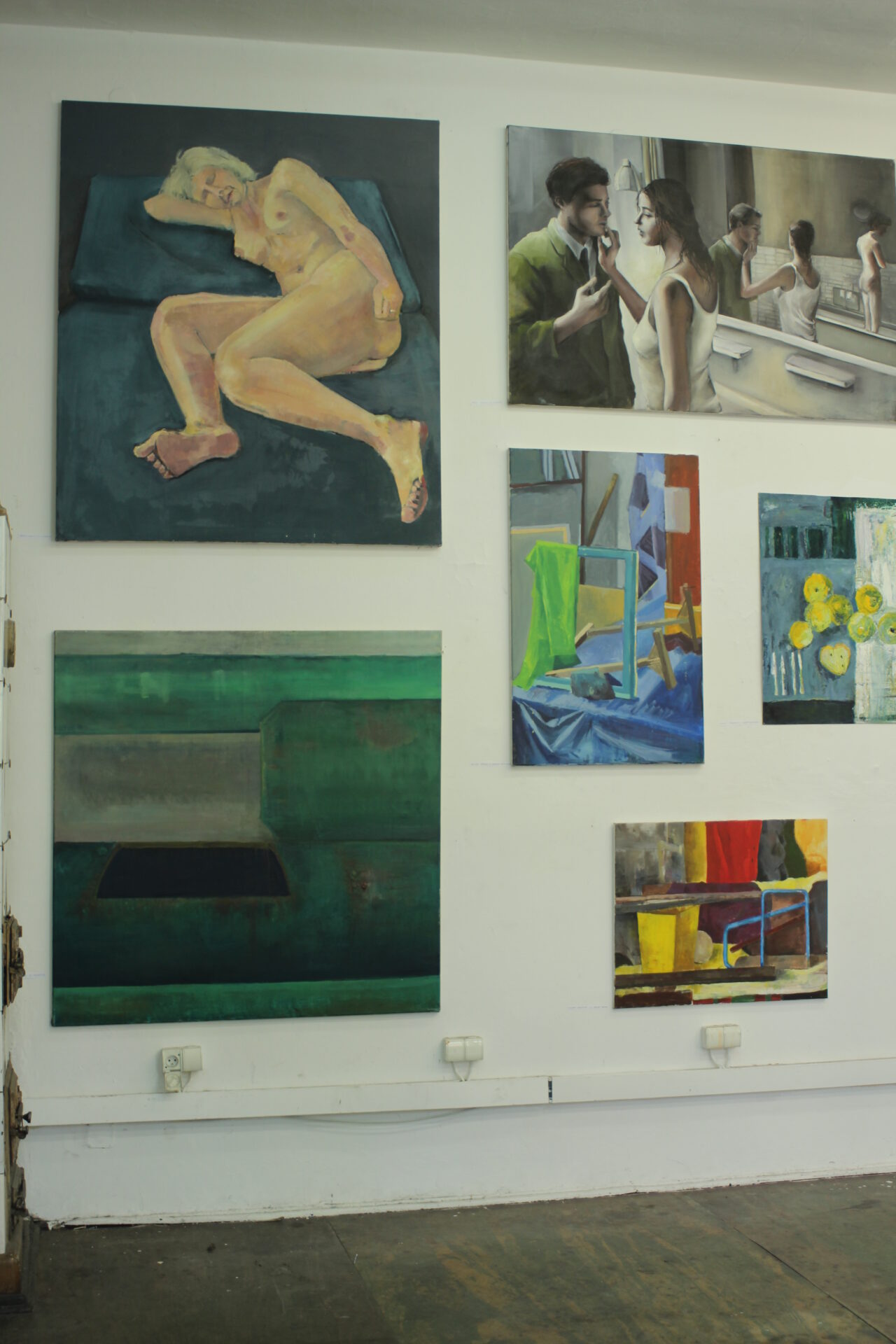
Kształcenie studentek i studentów jest procesem, na który składa się: poznanie malarskiego warsztatu, nauka widzenia problemów plastycznych, rozbudzanie wyobraźni, wrażliwości i stymulowanie rozwoju samodzielnego myślenia. Jednym z elementów programu pracowni jest relacja wobec rzeczywistości jako zjawiska obserwowalnego (zawierającego byty materialne), spełniająca się w obszarach:
- analizy malarskiej postrzeganych form,
- inspiracji wywołującej dalsze poszukiwania artystyczne.
Nawiązanie do zjawisk fizycznych traktuję nie tylko jako przejaw propedeutyki malarstwa. Inspiracja formami występującymi w bliższym czy dalszym otoczeniu może być obecna na każdym etapie studiów. Ten sam temat może być podjęty przez każdą osobę studiującą. Kontynuację programu pracowni stanowi postrzeganie rzeczywistości nie tylko w kontekście odniesień opartych na wrażeniach zmysłowych. Łączność z rzeczywistością jako zbiorem pojęć z różnych form kulturowej aktywności pogłębia proces studiowania poprzez szukanie znaczeń interesujących daną studentkę/studenta. Wiąże się ten aspekt z nadrzędną częścią procesu dydaktycznego, jaką jest formułowanie indywidualnej postawy twórczej, budowanie artystycznej samodzielności. Potencjalne impulsy mogące stanowić swoisty zaczyn powstawania odrębnej wyobraźni dostarczyć może problematyka w sferze szeroko rozumianej definicji kultury.
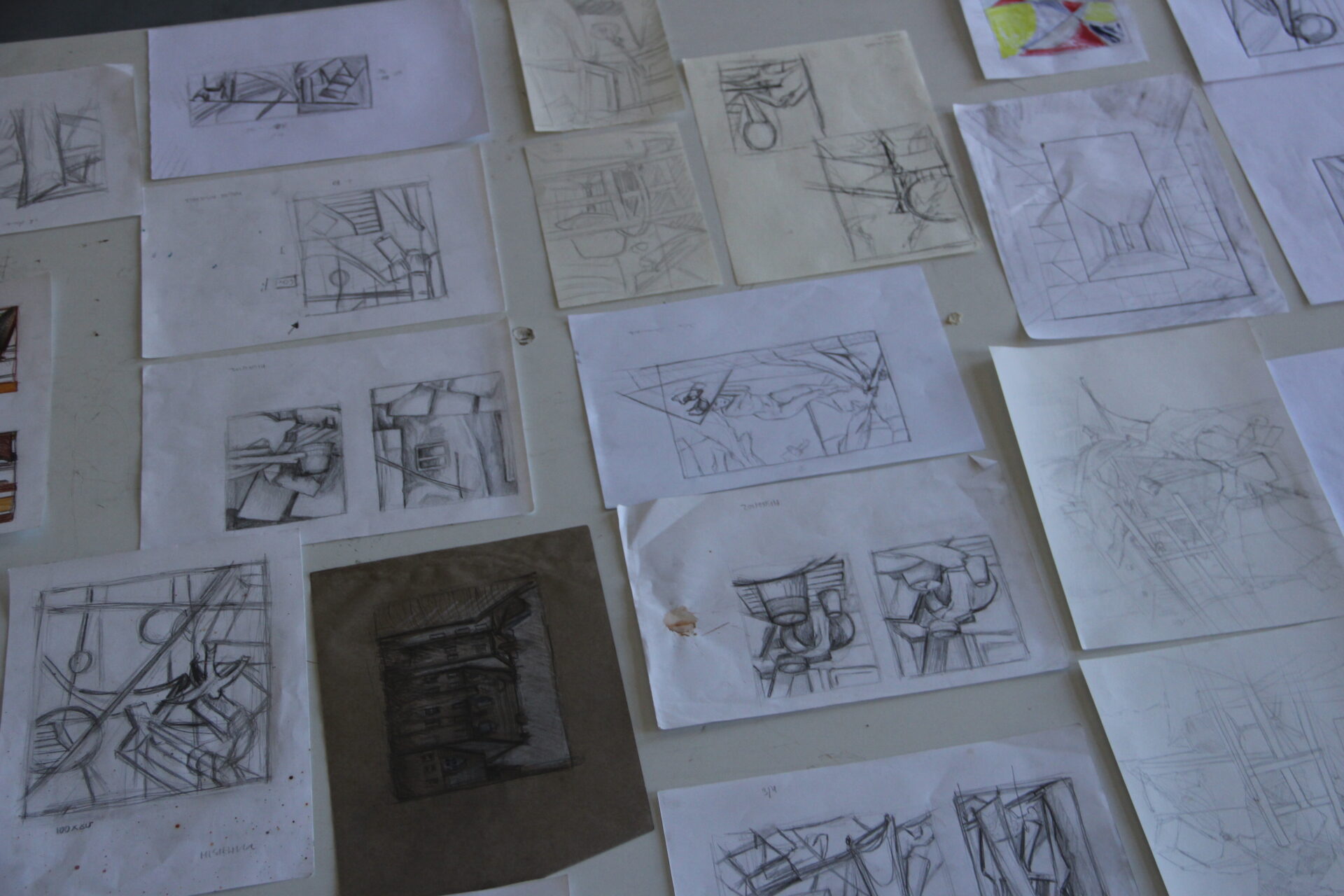
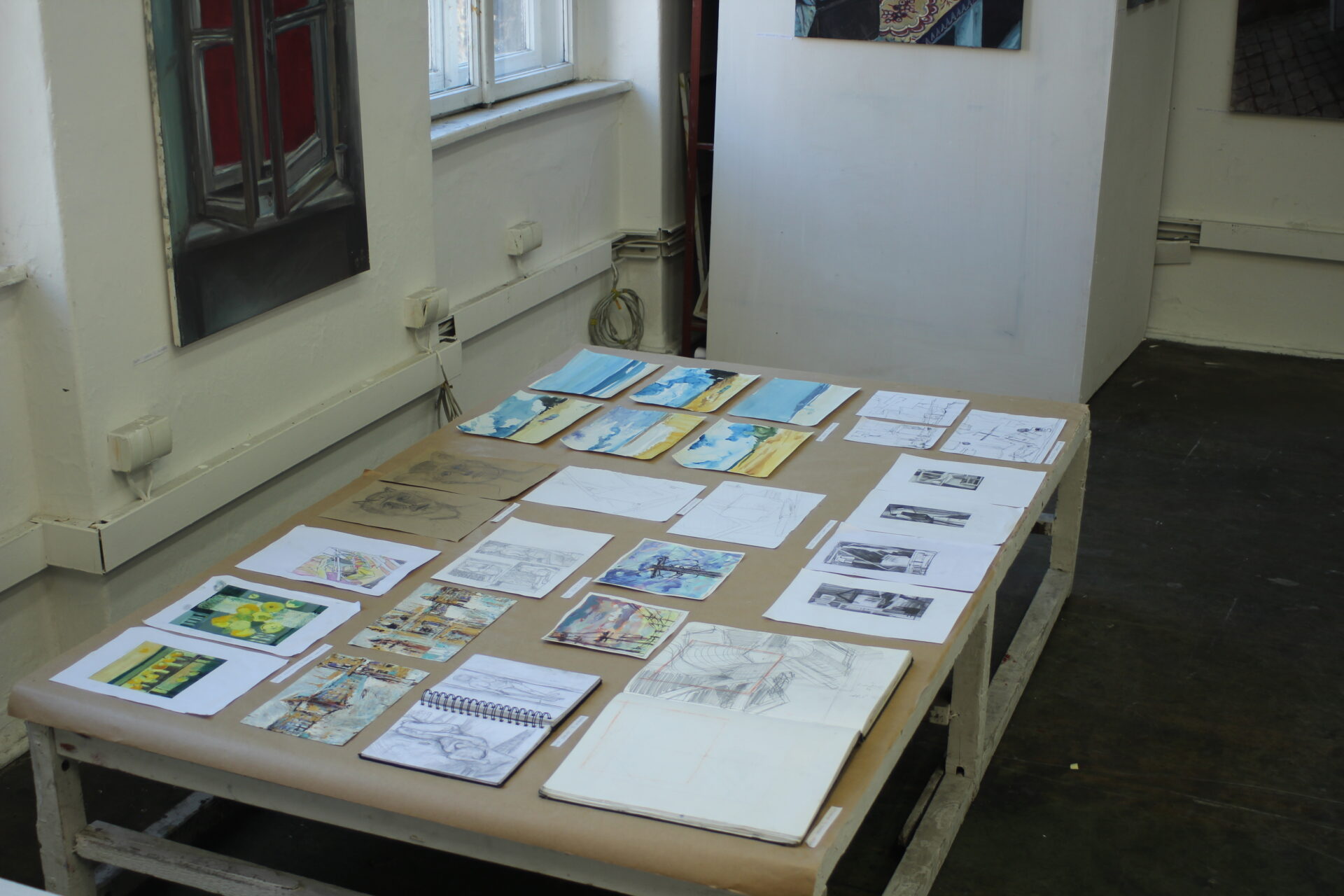
Przykładami są tematy określane „hasłami” wywodzącymi się np. z kultury symbolicznej (sztuki plastyczne, literatura, film, filozofia itd.), kultury społecznej (relacje ideologiczne, obyczajowe itd.) czy kultury materialnej (współczesne technologie itd.). Metodą objaśniającą różnorodność rozwiązań w szukaniu klarownego ujęcia podjętego problemu i w znalezieniu optymalnej konstrukcji obrazu jest systematyczne wykonywanie szkiców rysunkowych. Współbieżną czynnością może być prowadzenie notatek na każdym etapie pracy nad obrazem. Uzupełnieniem programu pracowni są pokazy multimedialne wybranych zagadnień malarskich, na przykładzie reprodukcji dzieł sztuki dawnej i współczesnej.
Program
The education of students is a process that consists of: learning the painter’s craft, developing the ability to perceive artistic problems, stimulating imagination and sensitivity, and fostering the development of independent thinking. One of the elements of the studio program is the relationship with reality as an observable phenomenon (containing material entities), which is realized in the areas of:
● analysis of the perceived forms in painting,
● inspiration that triggers further artistic exploration.
Reference to physical phenomena is treated not only as an aspect of painting propedeutics. Inspiration from forms occurring in the immediate or more distant surroundings can appear at any stage of studies. The same theme can be undertaken by each student. Continuation of the studio program involves perceiving reality not only in terms of sensory impressions. Connection with reality as a set of concepts from various forms of cultural activity deepens the study process by searching for meanings that interest the individual student. This aspect is related to the overarching part of the educational process, which is the formulation of an individual creative attitude and the development of artistic independence.
Potential impulses that can serve as a starting point for the development of a distinct imagination may come from issues within the broadly understood definition of culture. Examples include themes defined by “keywords” derived from symbolic culture (visual arts, literature, film, philosophy, etc.), social culture (ideological, customary, or relational aspects, etc.), or material culture (contemporary technologies, etc.).
The method explaining the diversity of solutions in seeking a clear approach to a chosen problem and in finding the optimal composition of a painting is the systematic execution of drawing sketches. Simultaneously, students can keep notes at every stage of working on a painting. An addition to the studio program includes multimedia presentations of selected painting topics, using reproductions of both historical and contemporary artworks as examples.
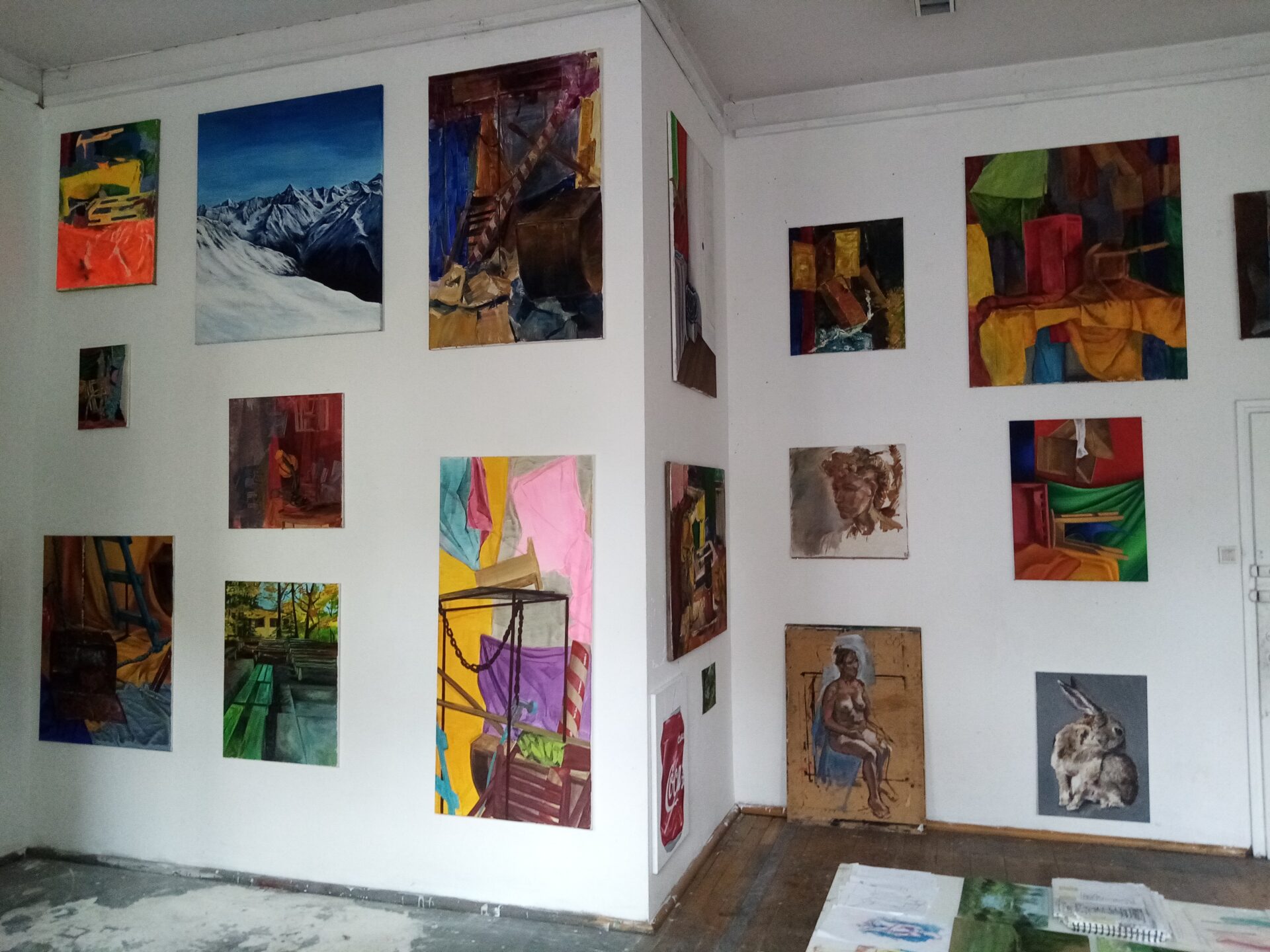
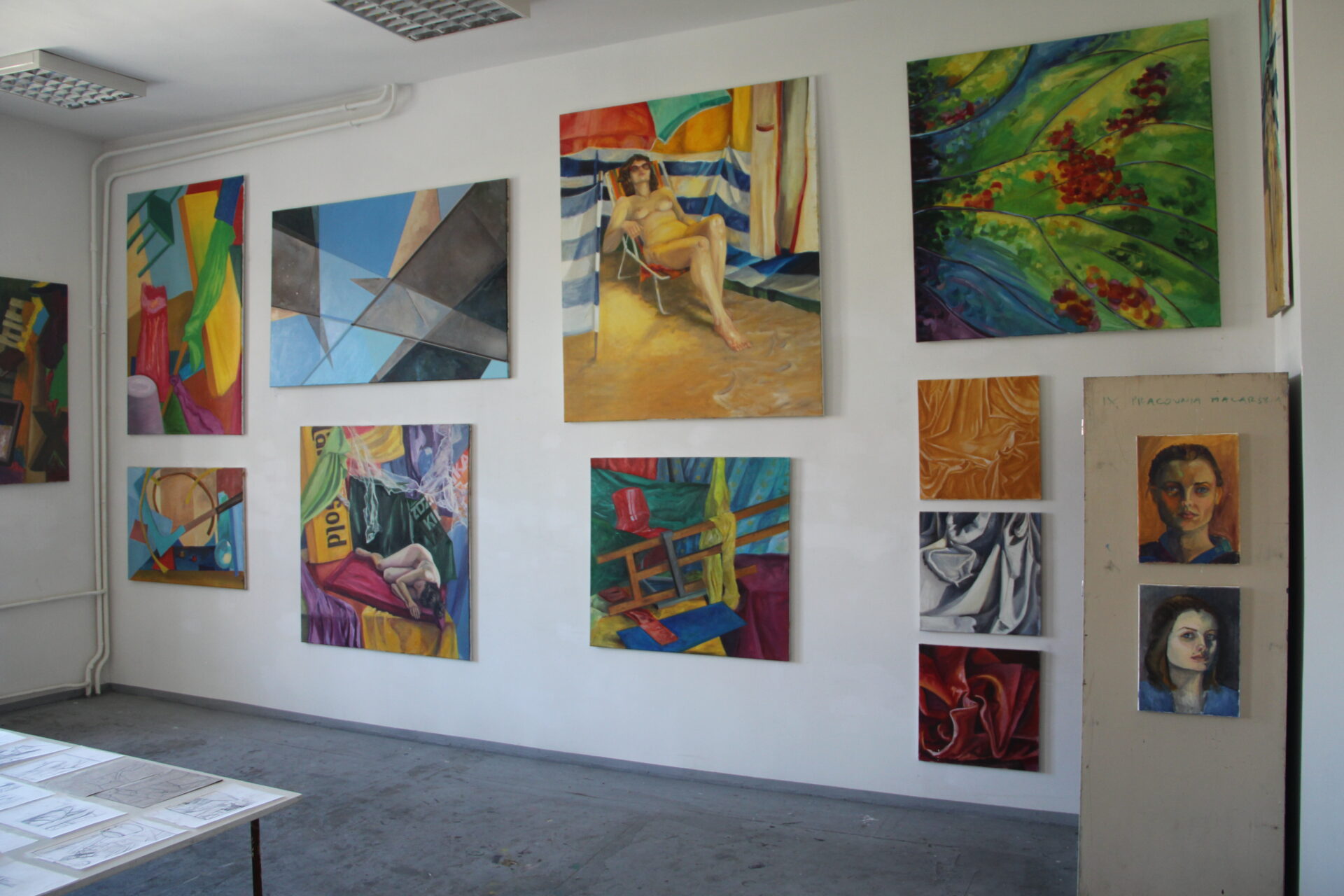
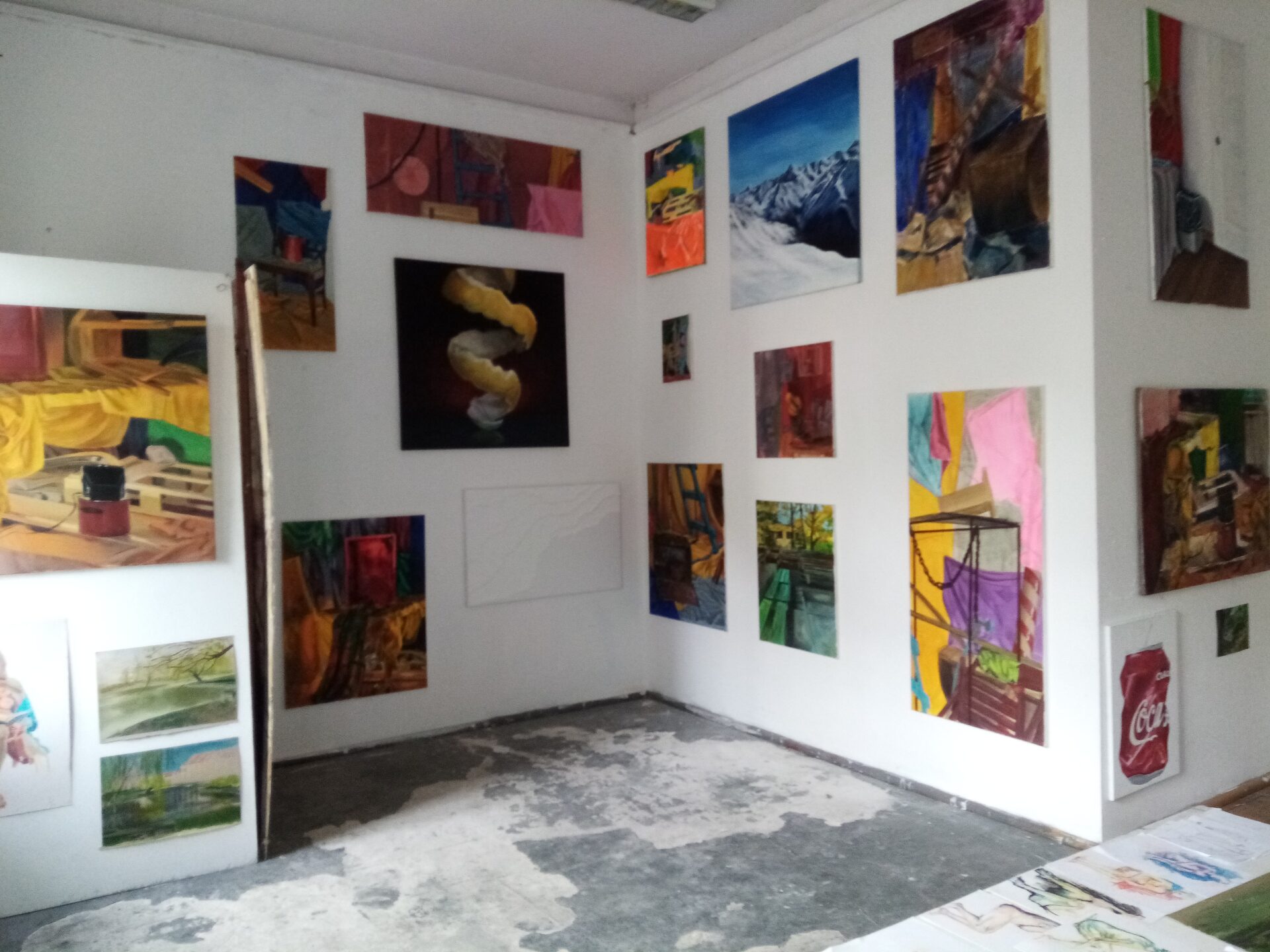
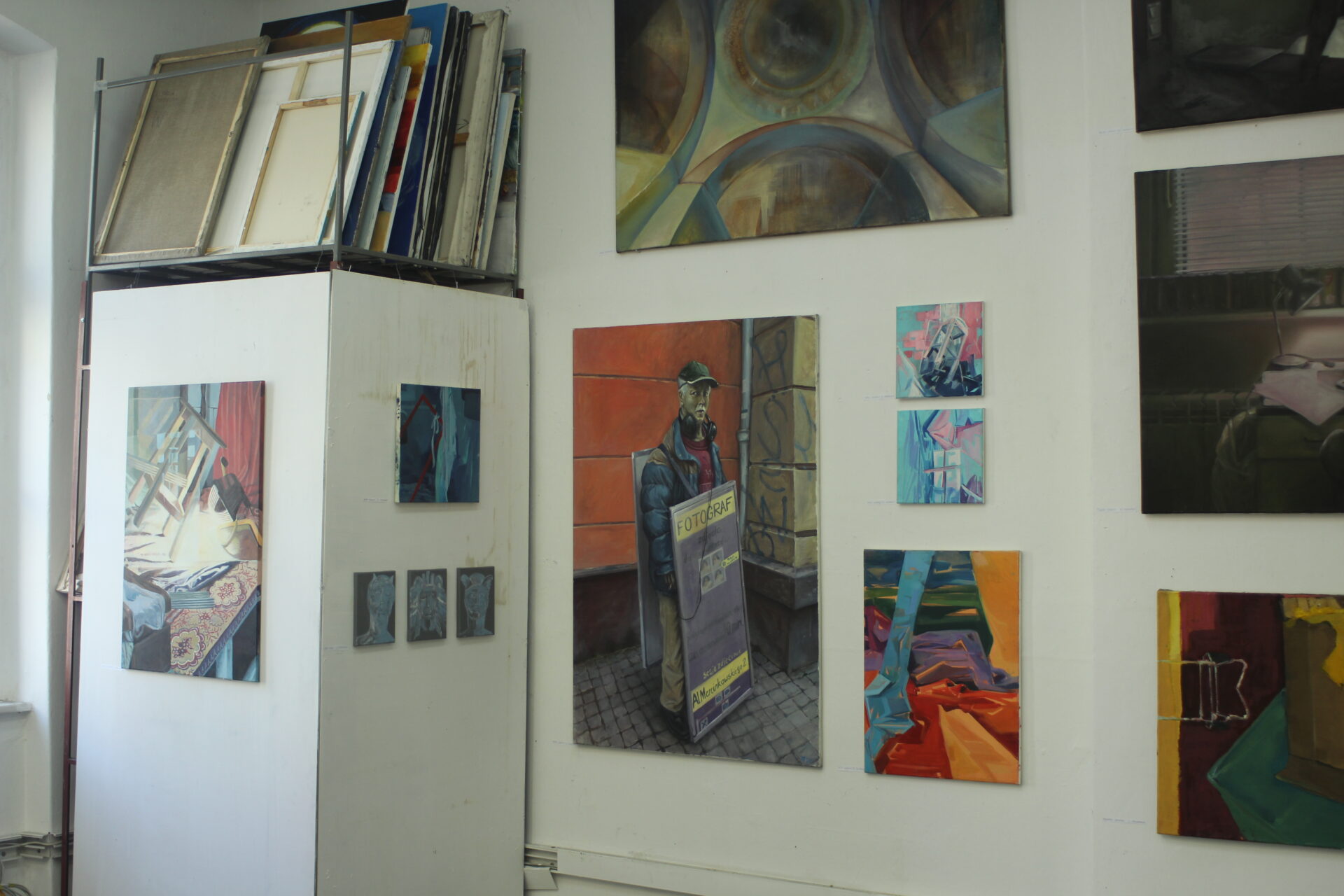
- Autor: Edyta Stachewicz
- Opublikowano: 13.07.2026, 13:42
- Ostatnia edycja: 14.07.2026, 14:37