Kierowniczka: dr hab. Katarzyna Kujawska-Murphy, prof. UAP, katarzyna.kujawska-murphy@uap.edu.pl
dr hab. Filip Wierzbicki-Nowak, prof. UAP, filip.wierzbicki-nowak@uap.edu.pl
Języki wykładowe: polski, angielski
Budynek A, Aleje Marcinkowskiego 29, sala 302
Program
WSTĘP
Celem kursu jest rozwijanie rysunku jako narzędzia myślenia, komunikacji i refleksji krytycznej.
Program zachęca do eksperymentowania, łączenia rysunku z innymi mediami, analizy współczesnych kontekstów kulturowych i rozwijania indywidualnej praktyki artystycznej.
MODUŁY KURSU
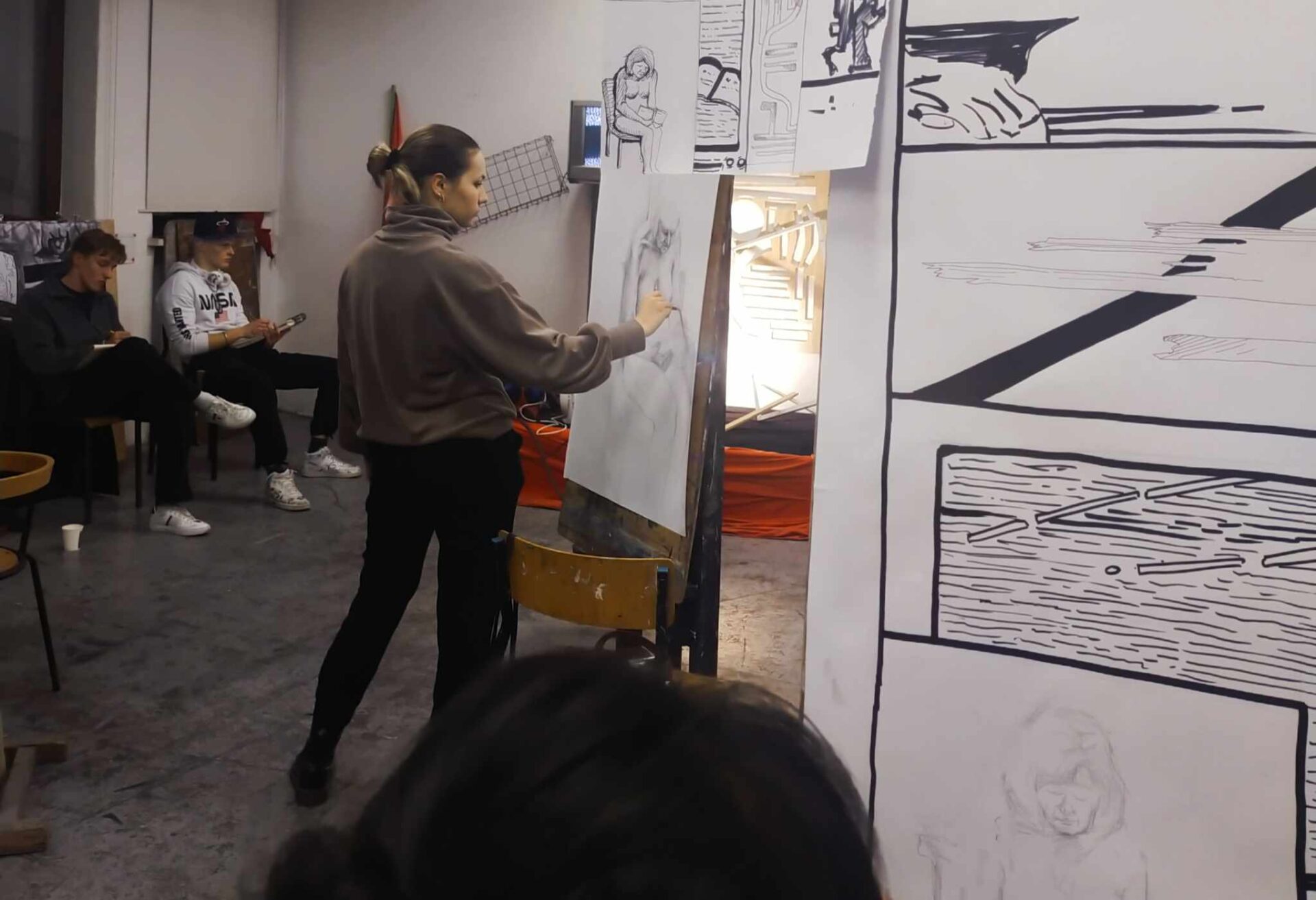
- Rysunek jako proces myślenia – eksperyment, dokumentacja, integracja z tekstem, ruchem i dźwiękiem.
- Rysunek w kontekście społecznym i politycznym – refleksja nad rysunkiem jako narzędziem aktywizmu.
- Praktyki krytyczne w sztuce – rozwój pisania, dyskusji i analizy teoretycznej.
- Rysunek w przestrzeni publicznej – działania w środowisku miejskim, dokumentacja społeczna.
- Projekt interdyscyplinarny – realizacja łącząca różne media i konteksty.
II. 1. Rysunek jako proces myślenia
- Wprowadzenie do rysunku jako narzędzia do badania i rozumienia świata.
- Rysunek jako forma dokumentacji i refleksji.
- Eksperymentowanie z różnymi technikami i materiałami.
- Integracja rysunku z innymi mediami, takimi jak tekst, dźwięk czy ruch.
2. Rysunek w kontekście społecznym i politycznym
- Analiza roli rysunku w komentowaniu i krytykowaniu współczesnych problemów społecznych.
- Rysunek jako narzędzie aktywizmu i protestu.
- Badanie historii rysunku w kontekście politycznym.
- Tworzenie prac reagujących na aktualne wydarzenia społeczne.
3. Praktyki krytyczne w sztuce
- Rozwój umiejętności krytycznego myślenia i analizy własnej pracy oraz prac innych artystów.
- Techniki pisania krytycznych esejów i refleksji artystycznych.
- Analiza i interpretacja dzieł sztuki w kontekście teoretycznym.
- Rozwój umiejętności prezentacji i obrony własnych prac.
4. Rysunek w przestrzeni publicznej
- Badanie interakcji między rysunkiem a przestrzenią publiczną.
- Tworzenie instalacji rysunkowych w przestrzeni miejskiej.
- Interakcja z publicznością poprzez rysunek.
- Dokumentowanie / fotografowanie / rysowanie i analiza reakcji społecznych na prace artystyczne.
5. Projekt interdyscyplinarny
- Realizacja indywidualnego projektu łączącego rysunek z innymi mediami i dyscyplinami. Projektowanie realizacji / mapa myśli…
- Planowanie i realizacja projektu artystycznego.
- Prezentacja i analiza procesu, projektu lub realizacji.
- Refleksja nad procesem twórczym i jego kontekstem.
IV. Ocena i ewaluacja
- Mini-portfolia: Zbiór prac dokumentujących projekt, realizację, proces.
- Pisanie bardzo krótkich opisów realizacji „…wprost do celu..”
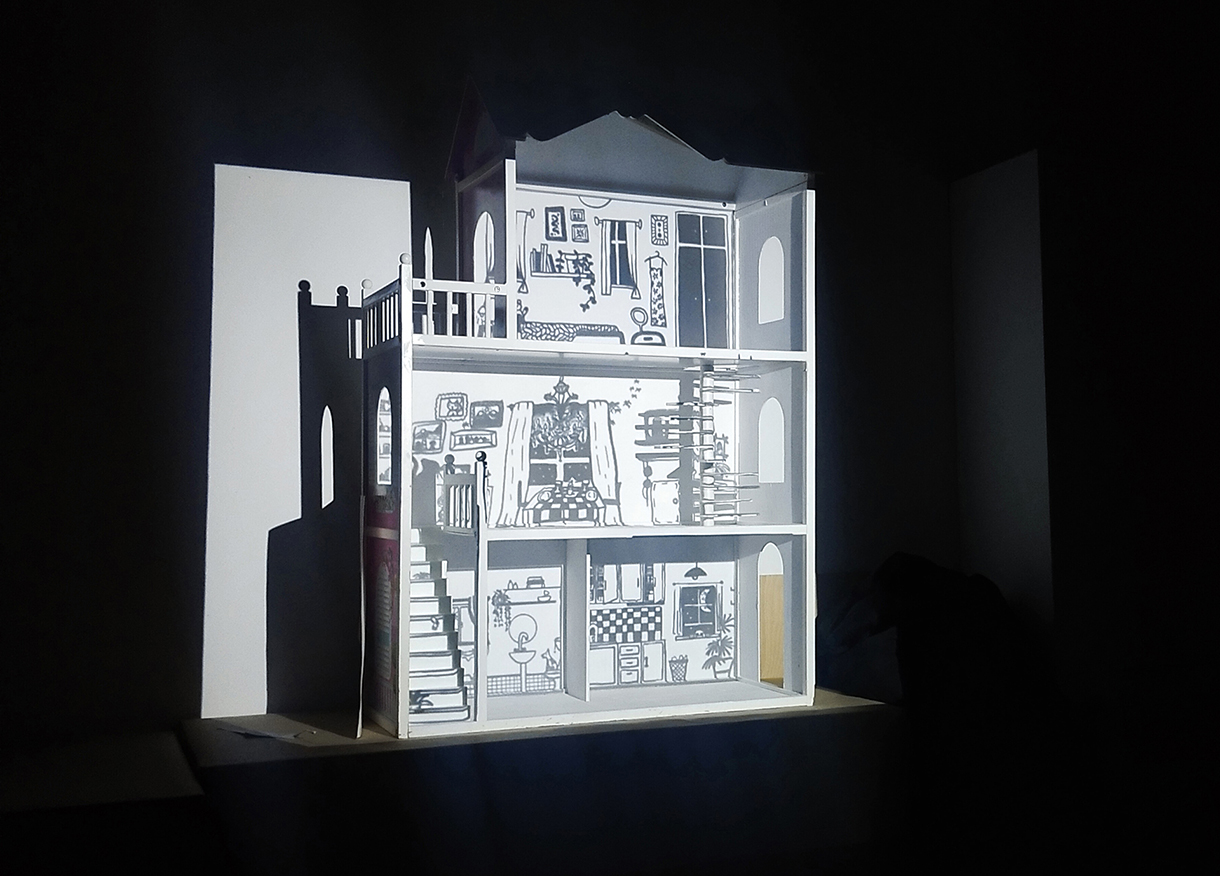
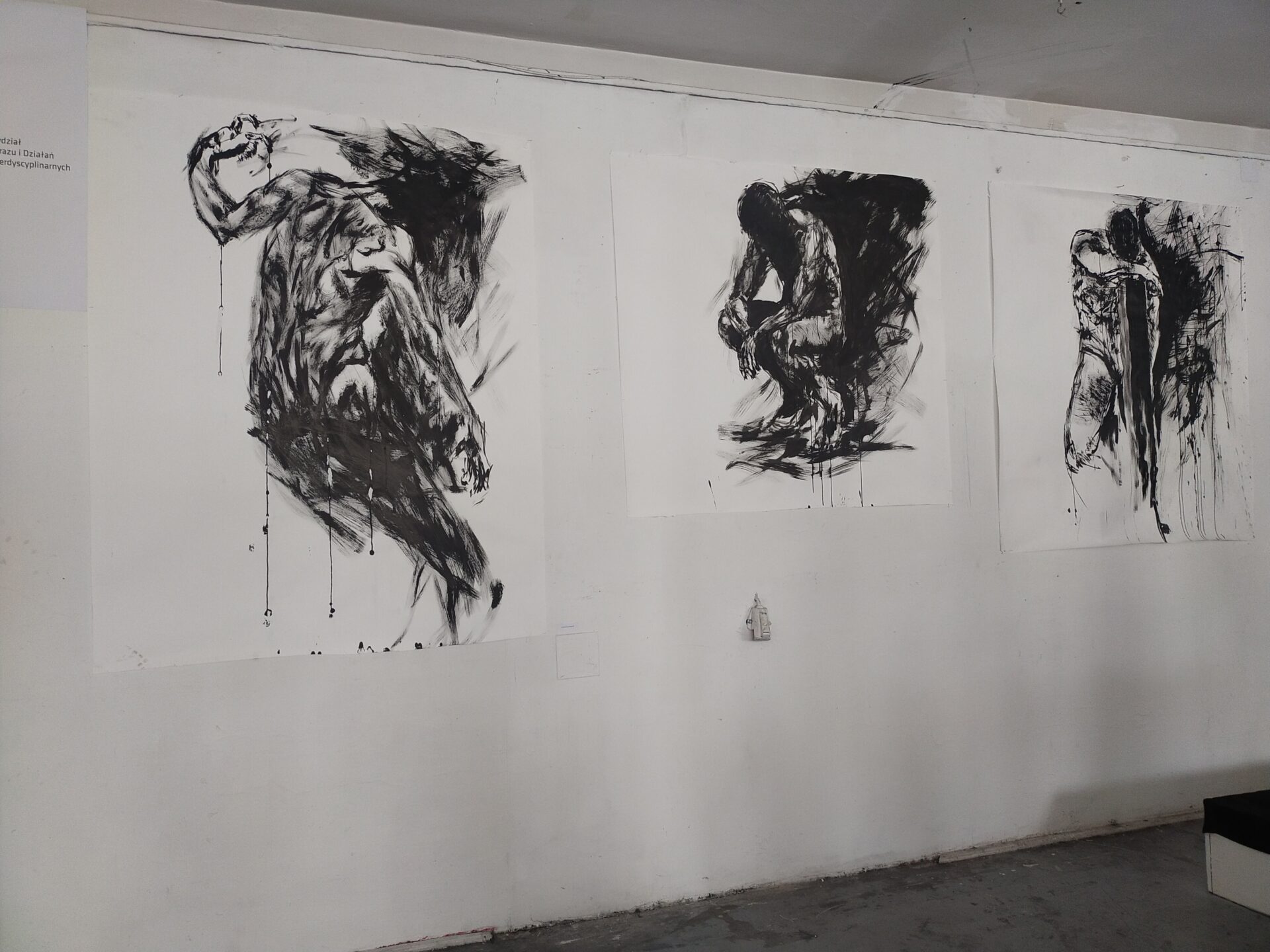
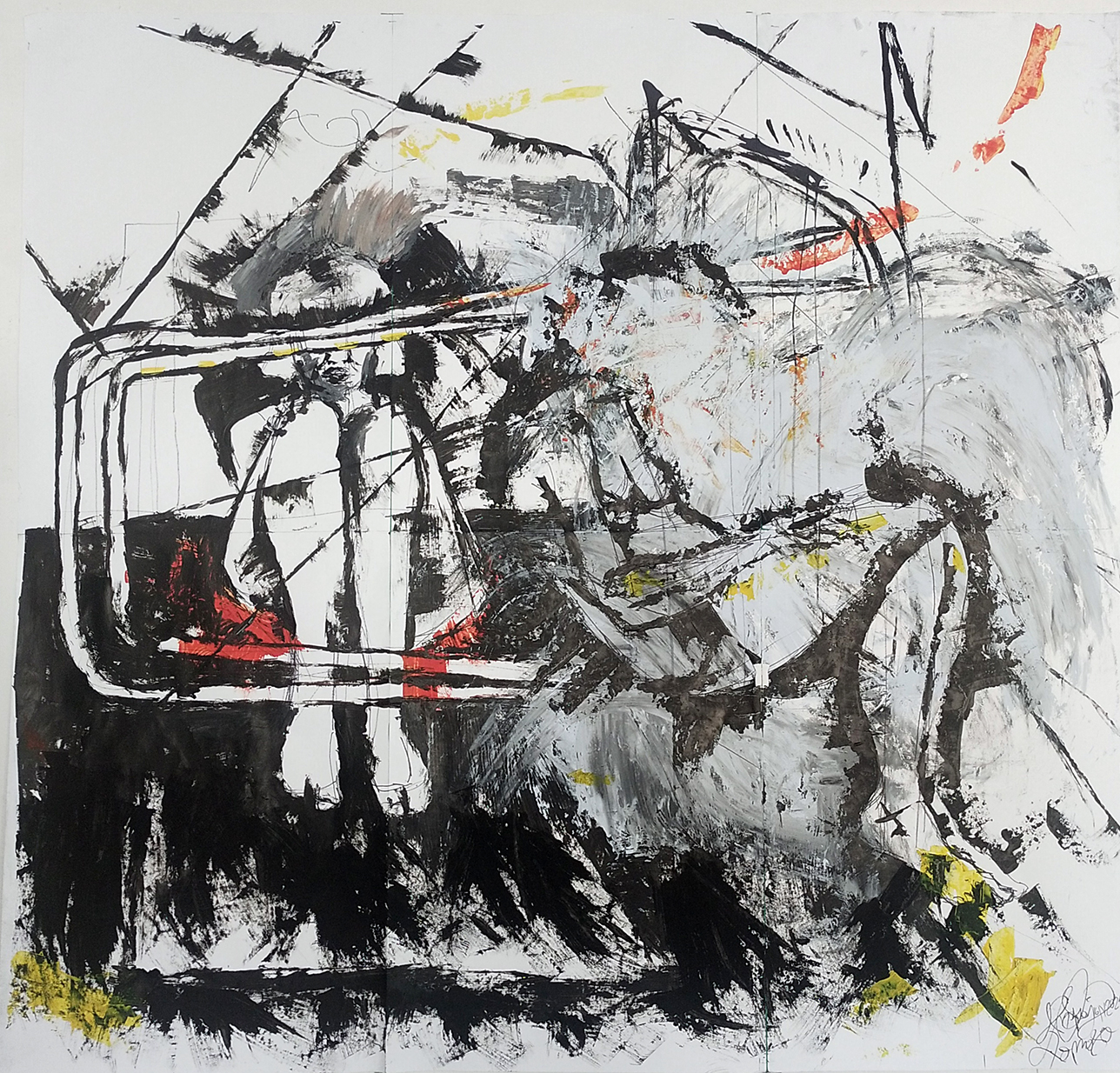
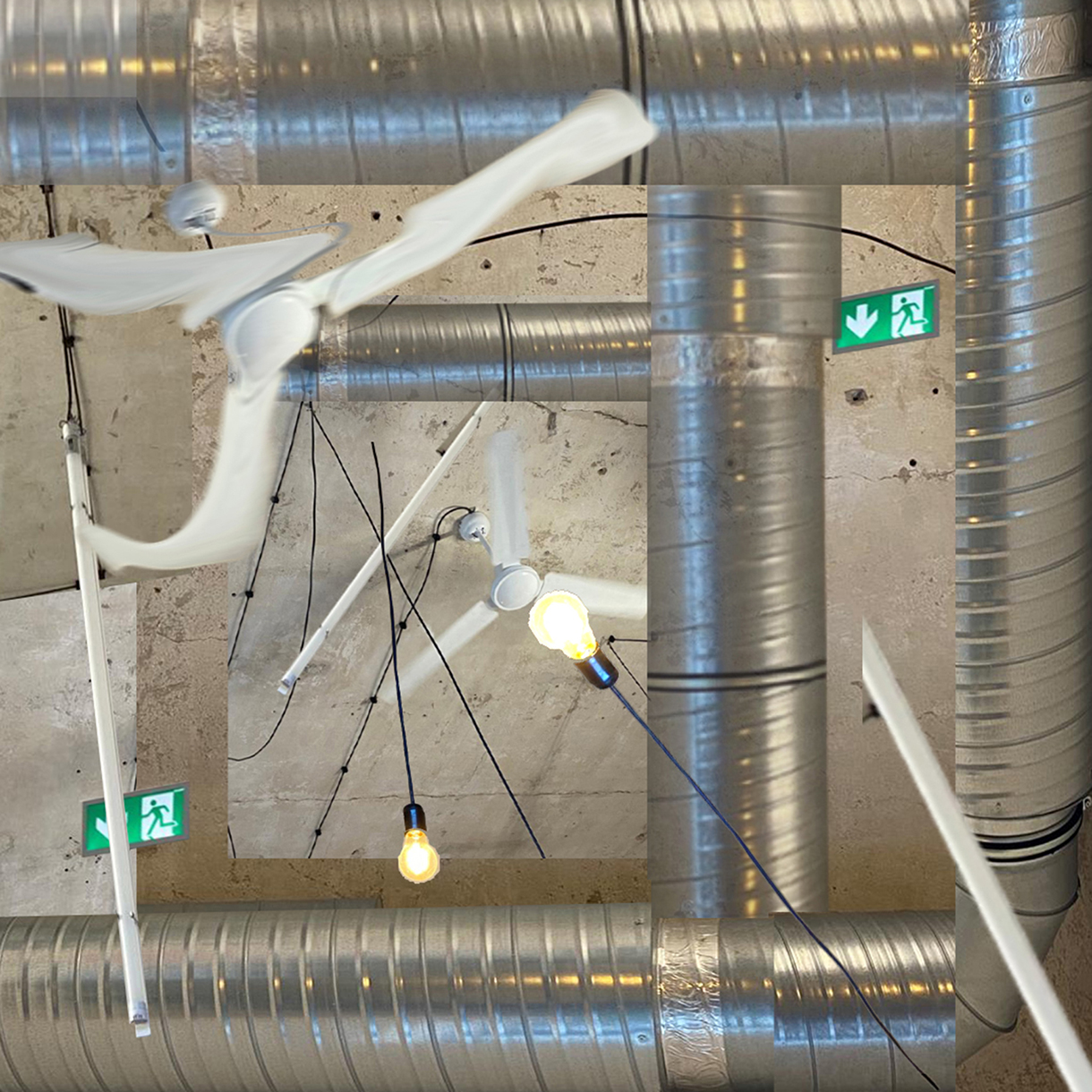
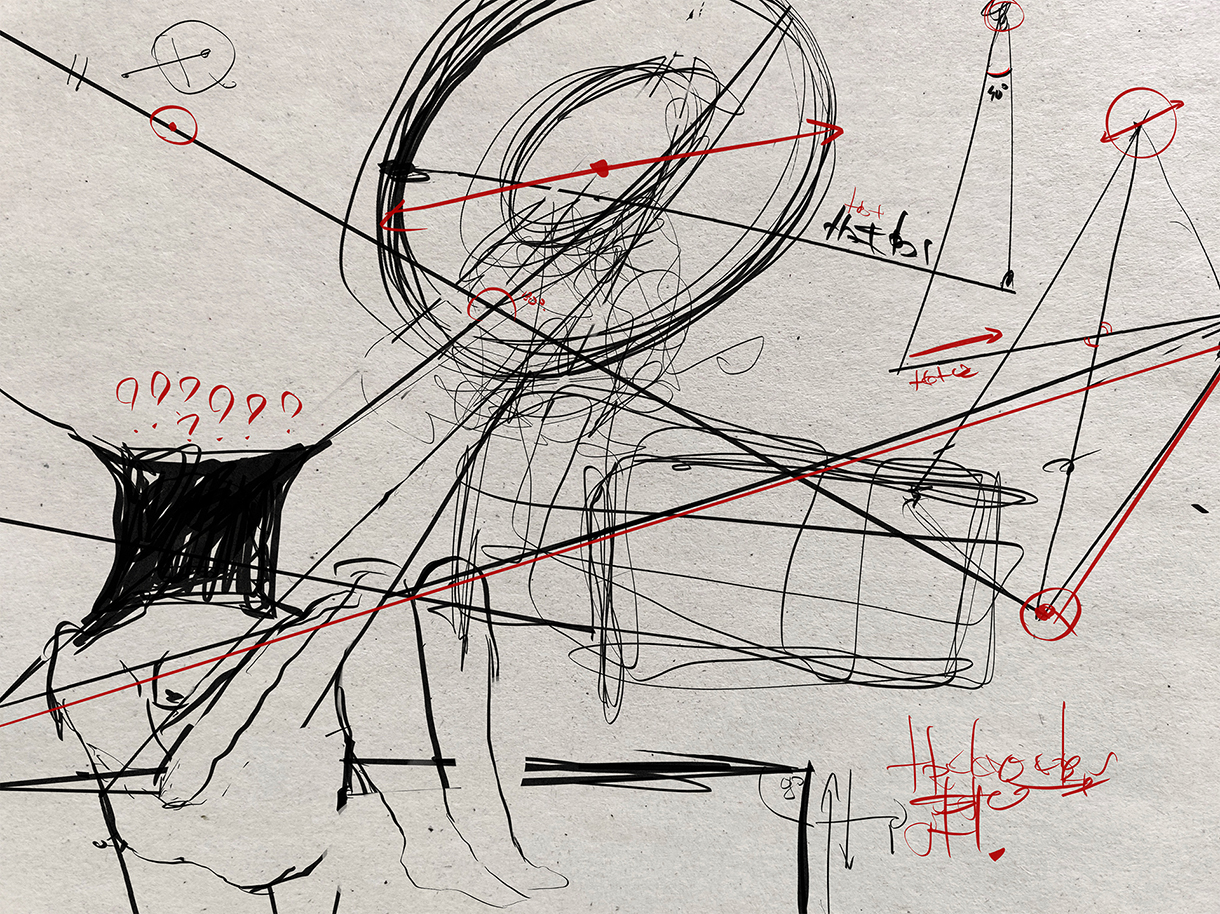
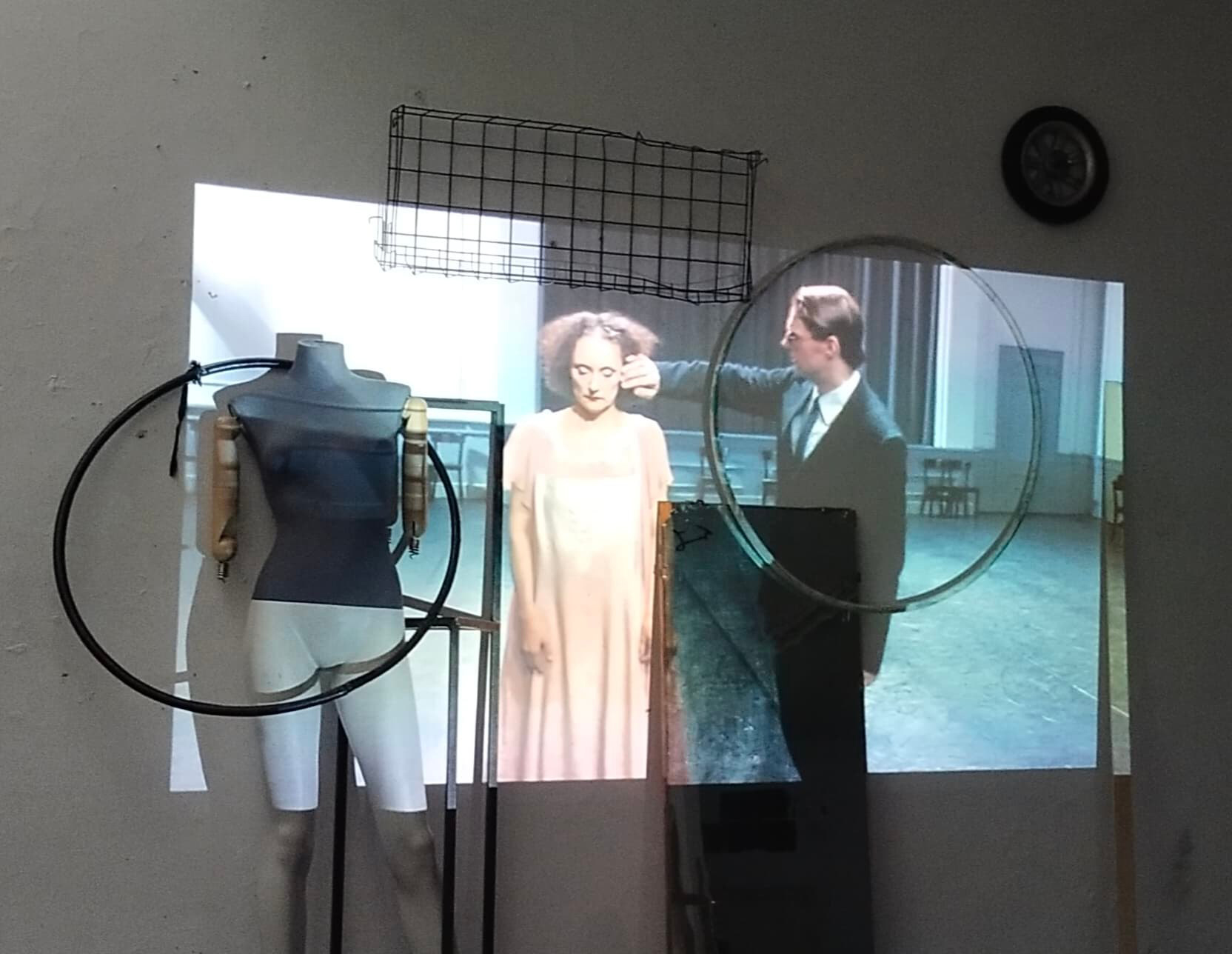
V. Techniki wykonania: rysunki, mapa myśli, szkice, collage, fotografia, moving image: film poklatkowy, animacja, realizacja dźwiękowa.
Link do wystawy końcoworocznej z 2025 roku: https://wystawa2025.uap.edu.pl/start/wydzial-obrazu-i-dzialan-interdyscyplinarnych/viii-pracownia-rysunku
Studio curriculum
Teaching Program: Interdisciplinary Drawing and Critical Practices
INTRODUCTION
The aim of the course is to develop drawing as a tool for thinking, communication, and critical reflection.
The program encourages experimentation, combining drawing with other media, analyzing contemporary cultural contexts, and developing an individual artistic practice.
COURSE MODULES
Drawing as a process of thinking – experiment, documentation, integration with text, movement, and sound.
Drawing in social and political contexts – reflection on drawing as a tool for activism.
Critical practices in art – development of writing, discussion, and theoretical analysis.
Drawing in public space – actions in urban environments, social documentation.
Interdisciplinary project – realization combining various media and contexts.
II. 1. Drawing as a Process of Thinking
Introduction to drawing as a tool for exploring and understanding the world.
Drawing as a form of documentation and reflection.
Experimenting with various techniques and materials.
Integrating drawing with other media such as text, sound, or movement.
2. Drawing in Social and Political Contexts
Analysis of the role of drawing in commenting on and critiquing contemporary social issues.
Drawing as a tool of activism and protest.
Researching the history of drawing in political contexts.
Creating works that respond to current social events.
3. Critical Practices in Art
Developing skills of critical thinking and analysis of one’s own work and that of other artists.
Techniques for writing critical essays and artistic reflections.
Analyzing and interpreting artworks within theoretical contexts.
Developing the ability to present and defend one’s own work.
4. Drawing in Public Space
Researching the interaction between drawing and public space.
Creating drawing installations in urban environments.
Interaction with the audience through drawing.
Documenting, photographing, drawing, and analyzing social reactions to artistic works.
5. Interdisciplinary Project
Implementation of an individual project combining drawing with other media and disciplines. Designing realization / mind map.
Planning and implementation of an artistic project.
Presentation and analysis of the process, project, or realization.
Reflection on the creative process and its context.
IV. Evaluation and Assessment
Mini-portfolios: a collection of works documenting the project, realization, and process.
Writing very short descriptions of realizations “…straight to the point…”.
V. Techniques of Execution
Drawings, mind maps, sketches, collage, photography, moving image: stop-motion film, animation, sound realization.
Link to the end-of-year exhibition (2025):
- Autor: Edyta Stachewicz
- Opublikowano: 13.07.2026, 16:02
- Ostatnia edycja: 16.07.2026, 13:16