Język narracji w rysunku: Współczesny Komiks/Narrative Language in Drawing: Contemporary Comics
Kierownik/Head of the laboratory: mgr José Manuel Jiménez Muñoz, jose.jimenez-munoz@uap.edu.pl
Asystent/Assistant: mgr Agata Sophie, st11811@uap.edu.pl
Adres/Address: Budynek F – Ul. Szewska 16, Pokój 18
Języki wykładowe/Language(s) of instruction: English/Angielski, Spanish/Hiszpański
Program pracowni/Program of the laboratory
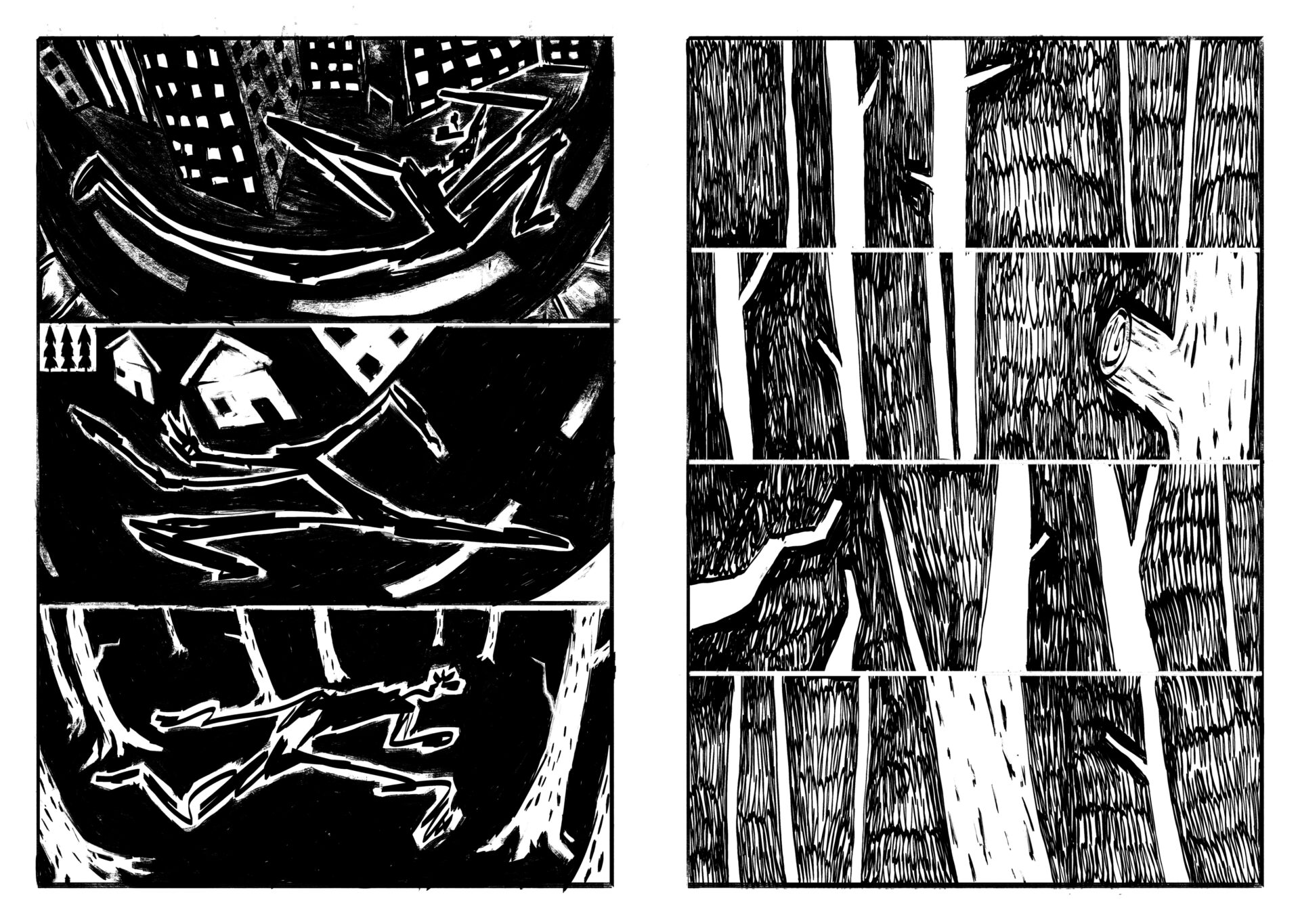
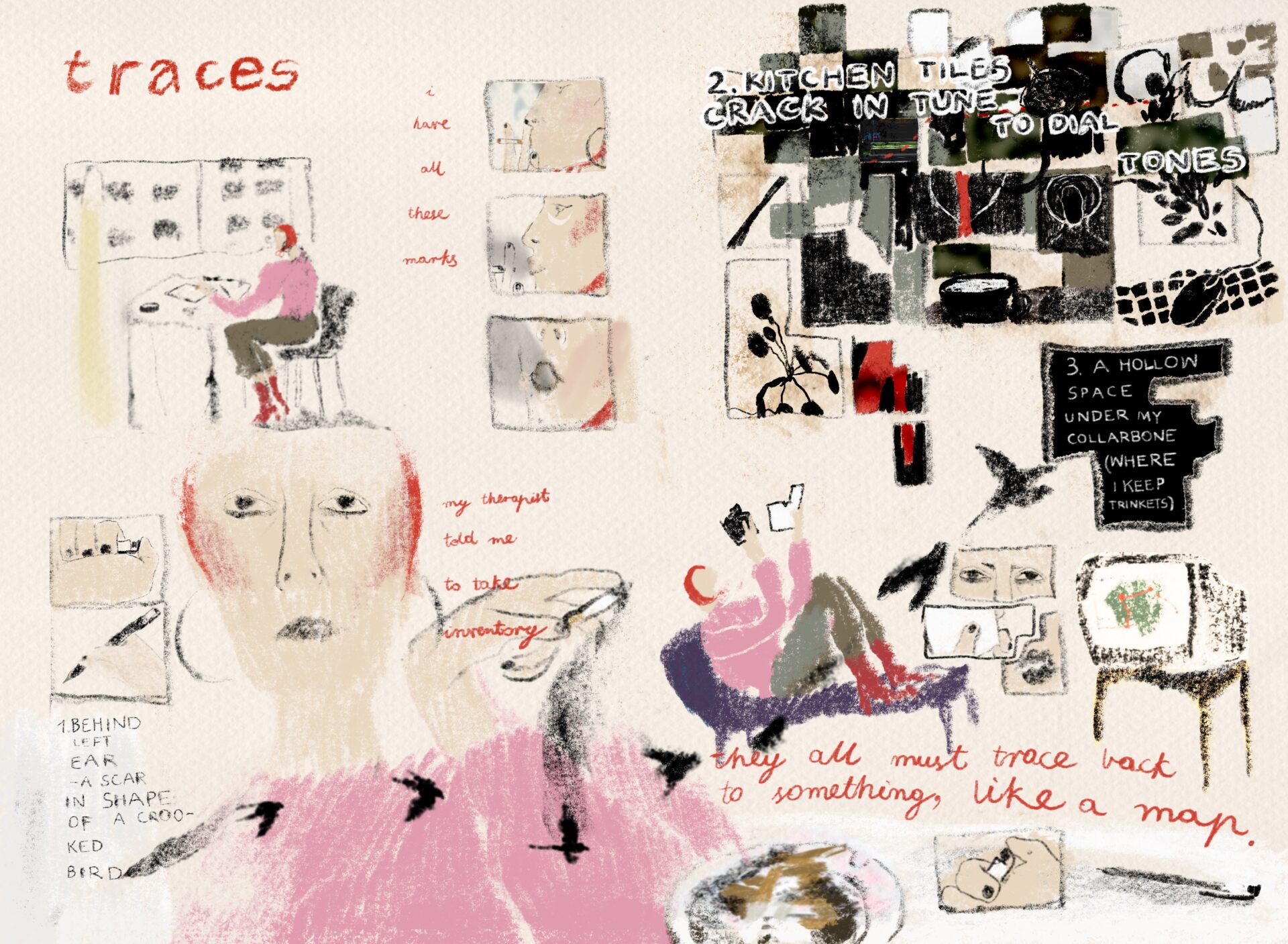
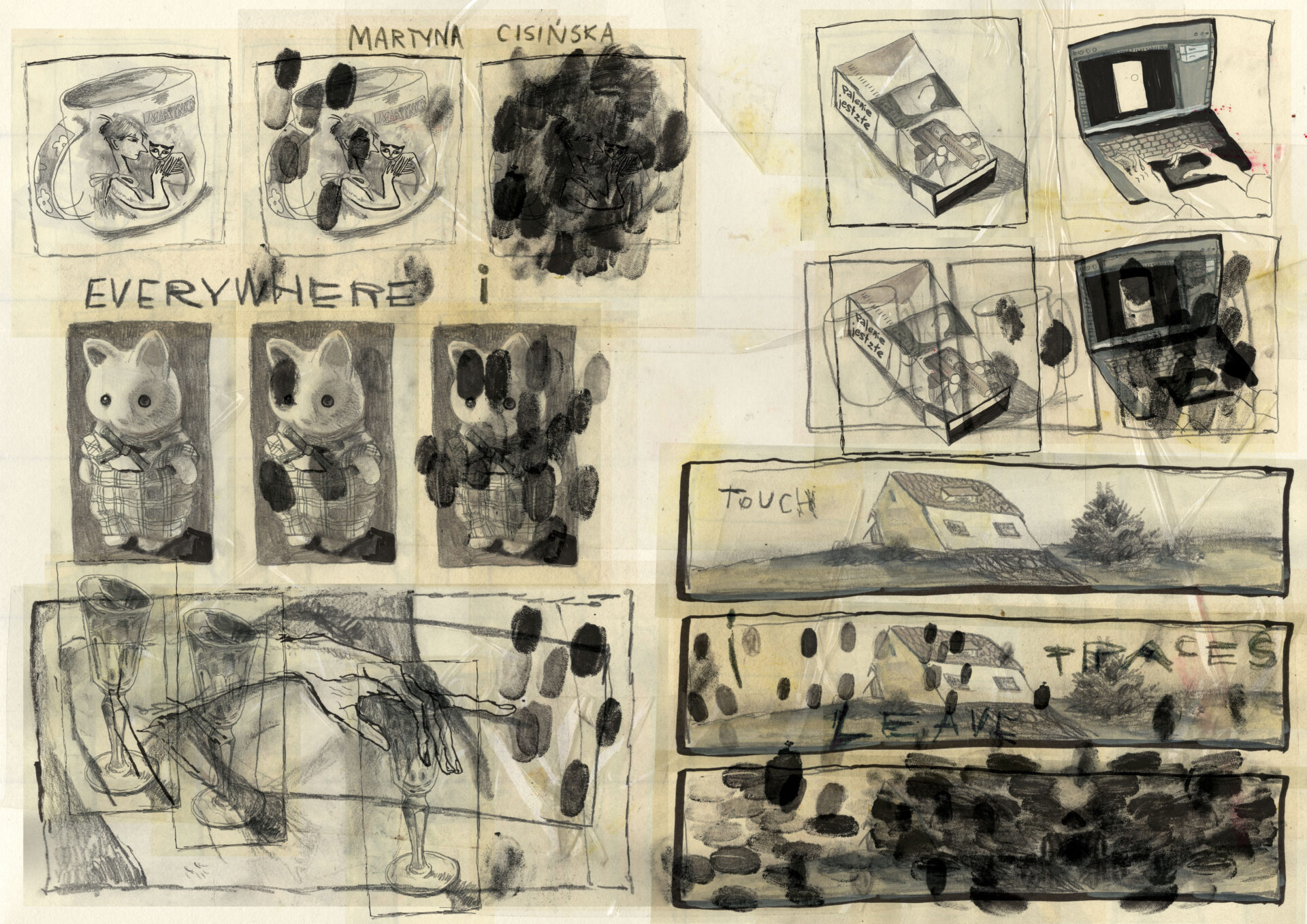
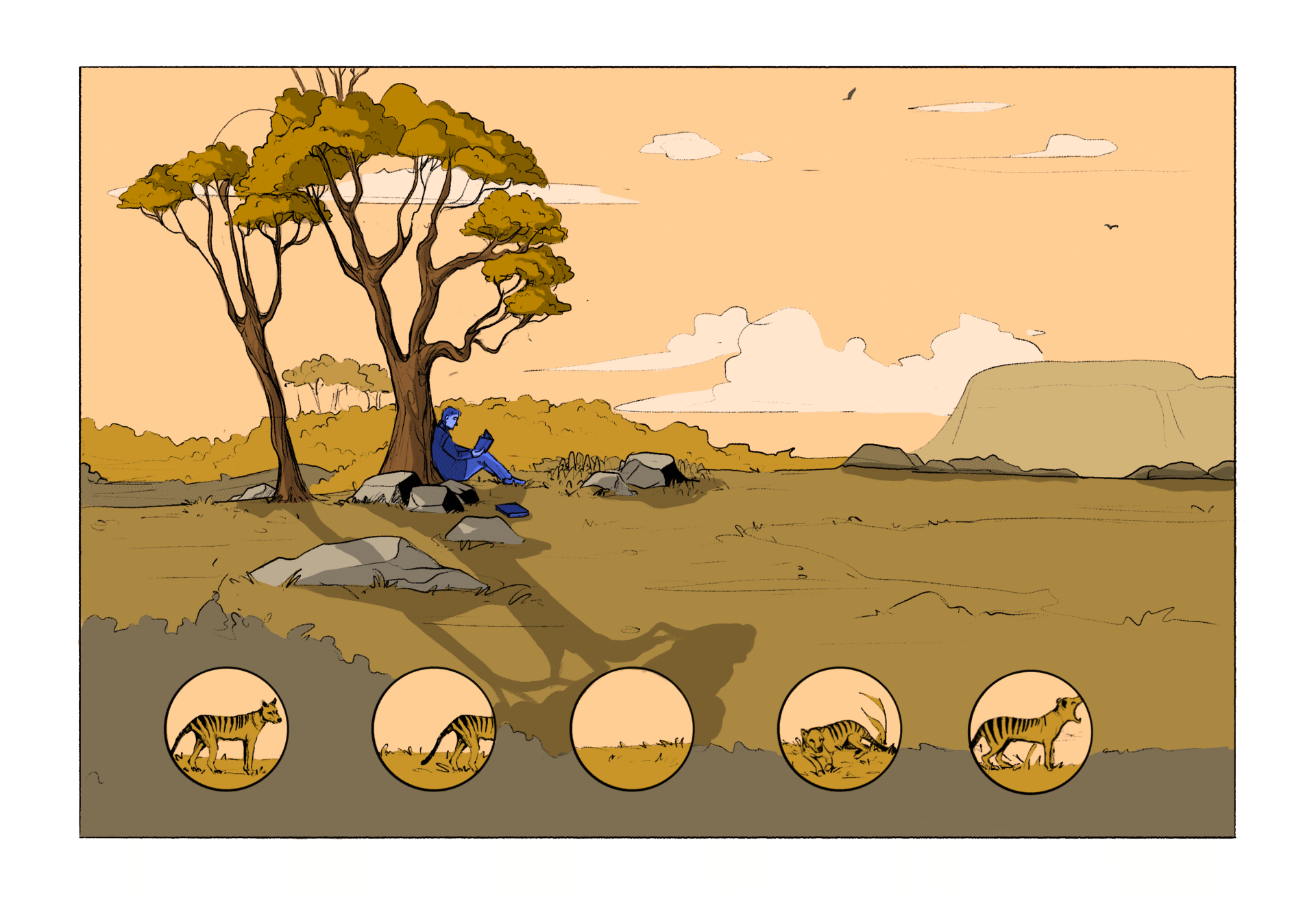
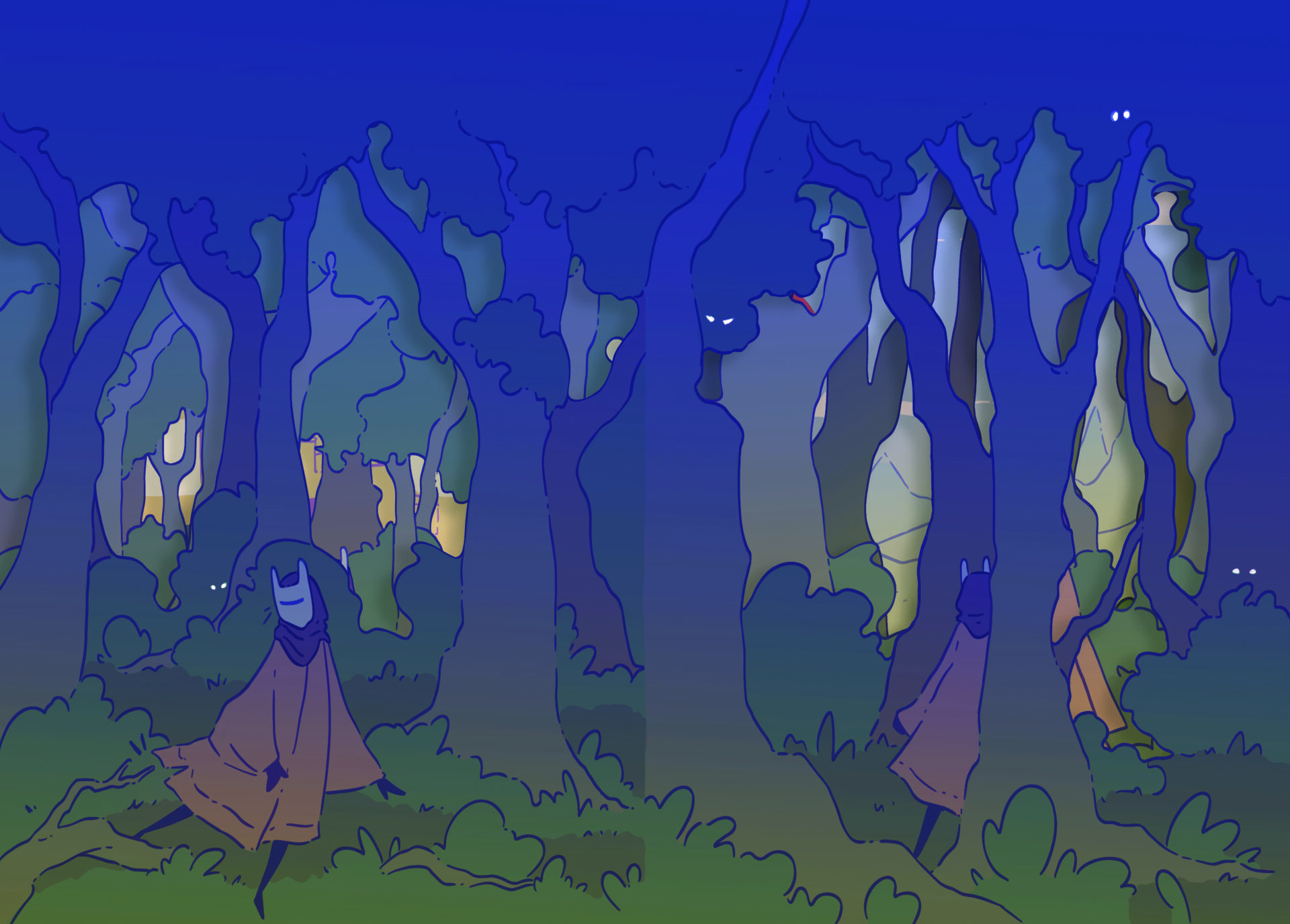
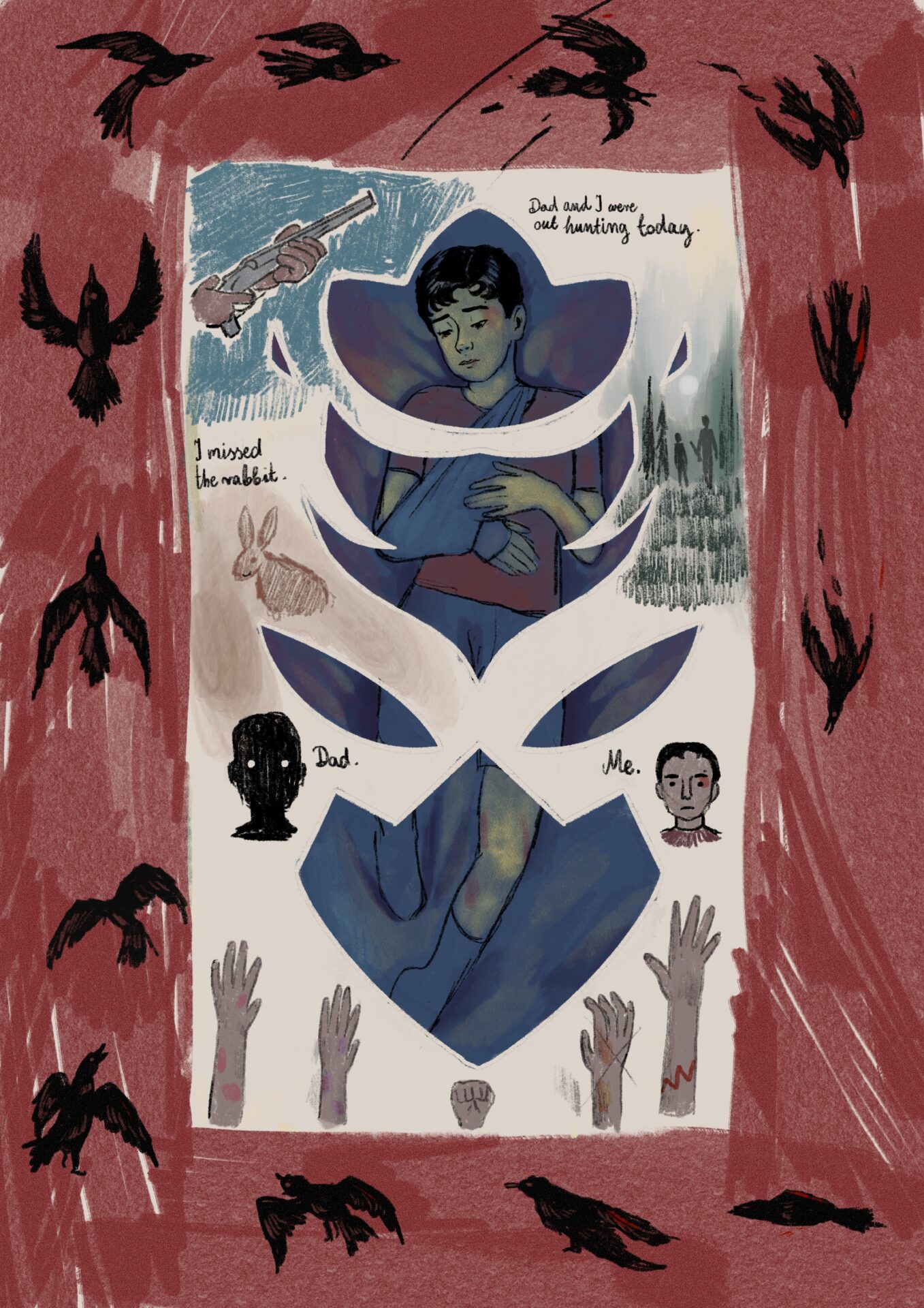
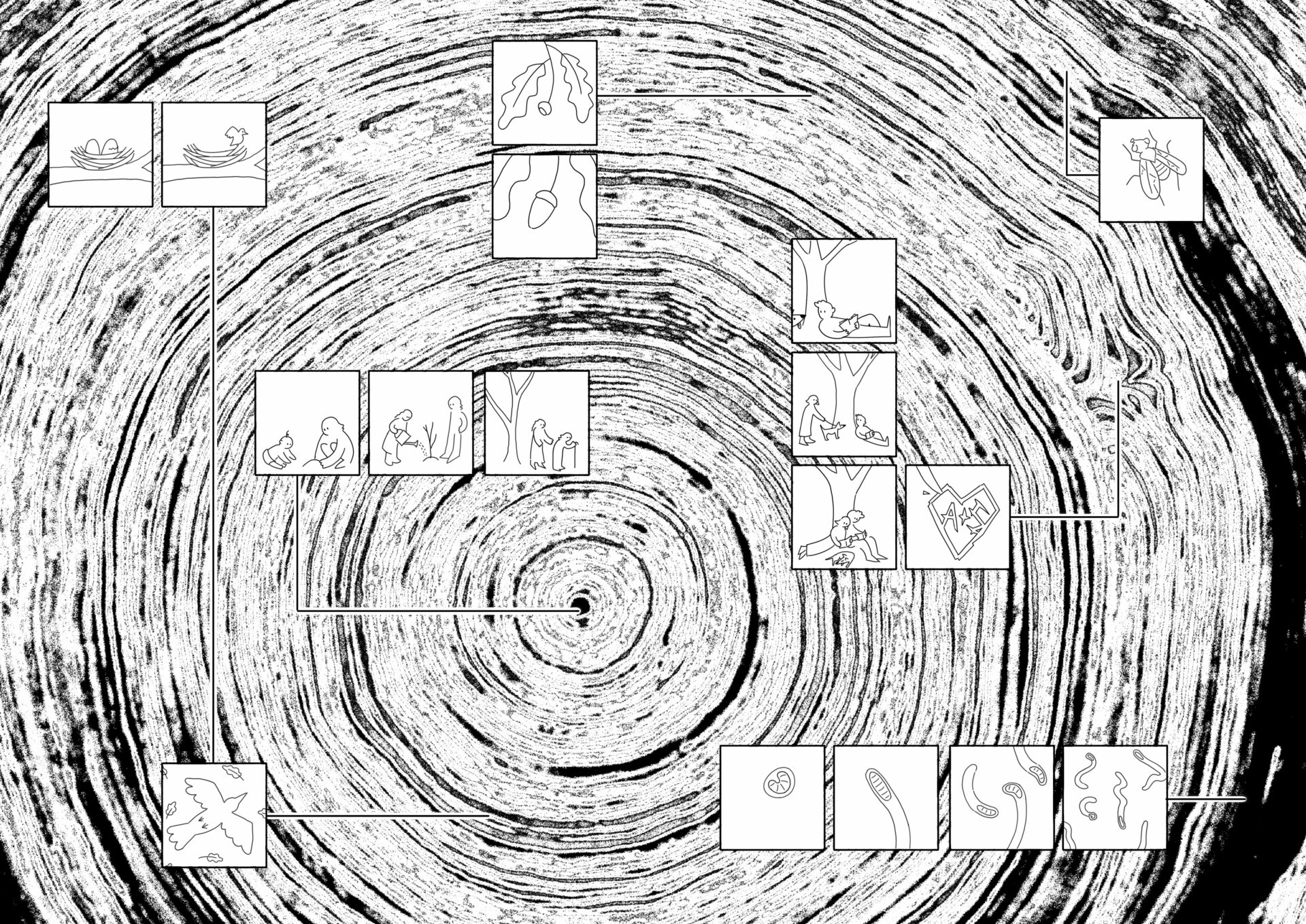
The laboratory Narrative Language in Drawing: Contemporary Comics or Język narracji w rysunku (współczesny komiks) is an English taught subject within the Department of Image and Interdisciplinary Practices where students can learn about graphic storytelling and narrative strategies within plastic mediums.
The laboratory provides students the tools needed to develop and polish narrative aspects focused on Comic’s sequential language.
When originating a story based on those standards, it is imperative to acknowledge the intricacy of the gear that makes this narrative system work; not only to ensure the emergence of new narratives inputs but also to secure a whole new array of possibilities for artistic expression.
Comic is a complex system of intricate mechanisms that provides us with the possibility to build new realities and create communication bridges, thus allowing the readership to dive into those visual conundrums. Most certainly, its complexity is noticeable as the media requires the artist to have a very wide set of skills affixed to narration, storytelling, sequentialisation, plastic and artistic matureness or literacy abilities amongst others.
The programme, designed to fit an annual timing, is compartmentalised in two separate groups of students: the advanced and the beginners group. Both include theoretical content and, most importantly, a set of practical tasks or projects destined to improve the skills of the students as they approach storytelling equipped with their own ambitions and interests.
These practical exercises are as follows:
Beginners Group/ First timers in the Lab
WINTER SEMESTER
Project I: Accordion Book Narratives. The usage of space in comics.
Project II: Newspaper’s with shortage, limitation, and solution solving in storytelling.
SUMMER SEMESTER
Project III: Shifting stories, script writing and tackling the drawer’s storytelling voice.
Project IV: Limited surface stories. Annual collective project from the laboratory, published as a fanzine.
The program of the laboratory, although focusing on the practical enterprise of students as they tackle each project designed to explore and expand on specific skills, also provides theoretical information serving as guidance and instruction for the proper performance of students on the aforementioned tasks.
This information is yearly distributed along both semesters and expands as follows:
Comic History:
- Introduction to pictographic narration and the ideas prior to a true narrative system.
- From Middle-Aged manuscripts to the Engraving and printing era: the construction of a picture-based storytelling language.
- The appearance of comic as an artistic medium: American press, European albums and Japanese manga.
- Graphic novels and neo-comic, the contemporary side of narrative constructions.
- Homage to the past to intervene in the present.
- Comic’s possibilities: storytelling in the sequential form of juxtaposed plastic images.
Understanding comics:
- Typology of the sequence and its uses.
- Spatial and timing perceptions: how to overcome an artistic medium based on time and the coordination of images.
- Texts and images: oral, written expression and the balance between literature and plasticity.
- Plastic qualities of comics: construction of a multi-level complex system.
- Typology of the page and its categorisation according to its uses: an approach to the frame and the different aspects of space treatment in the media.
- Narrative vectors: the impression of the story and the control of the reader’s visual and narrative patterns.
- The representation of time through graphic and format distribution and composition.
- Storytelling procedures and creative process of scripts. Planning of intentions: what and how.
- The reading exercise: relationship between readership, context, and the artist.
- Asterios Polyp: Analysis of medium and its narrative opportunities.
- Comic as an art form disjointed from other sequential forms such as cinematography or video art.
Iconicity in Comics:
- Typology of the icon and the picture.
- The development of the perception of reality and plasticity.
- The identity of a narrative visual world and McCloud’s triangle of abstraction.
- The vocabulary of comics
Time perception:
- Understanding of timing procedures and its impression in the media and over the readership.
- The different closures according to image sequentialisation.
- The invisible storyline: narrative vectors and timing.
- How to measure and perceive time in visual representation: structures, forms and uses.
- The grammatical practice of comics.
Spatial aspects:
- The Cage: analysis of the treatment of space inside a story or diegetic spaces.
- Analysis and review of the space outside the story or extra-diegetic spaces: the form, the shape and the formalisation of comics.
- Space in and out the panel: the manipulation of frames and its significance, spatial construction, planning and composition.
- Comic as narrative architectures and storytelling infrastructure.
- The contextualisation and formalisation of comics beyond two dimensions.
- Comic outside the editorial form.
Techniques:
- Digital and analog ways for comic creation: production, colouring, retouching, typographies and final art.
- From sketch to final art: the process of comics.
Bibliography
BERGER, J. (1972). Ways of seeing.
BECHDEL, A. (2006) Fun Home
BORDES, E. (2017). Comic, narrative architecture.
BUI, T. (2017). The best we could do
BURNS, C. (1995). Black Hole
CHONG, V. and WEBBER, G. (2020). Dancing after ten
CORTÉS, R. and HIJO, T. (2025). La piedra blanca
CRANE, J. (2022). Keeping Two
CRUMB, R. (2013). The weirdo years 1981–93
DAVIS, E. (2017). You & a bike & a road
DEFORGE, M. (2019). Stunt
DELISLE, G. (2011). Jerusalem Chronicles
DHAL, K. (2009). Monsters
EISNER, W. (1978). A contract with God
EISNER, W. (1996). Graphic Storytelling and Visual Narrative.
EVENS, B. (2020) The city of Belgium
GALVAÑ, A. (2016). Pulse enter
GARCÍA, S. and MORAL, L. (2016). Sleeping Beauty
GAULD, T. (2017). Baking with Kafka
GG (2017). I’m not here
GG (2020), Constantly
HANSELMANN, S. (2014). Megahex
HERGÉ (1960). Tintin au Tibet
KILLOFFER, P. (2005). Six hundred and seventy-six apparitions of Killoffer.
KOMINSKY-CRUMB, A. (1990) Love that bunch
KULIK, G. (2020), Poczwarki
LEMIRE, J. (2008). Essex County
MARUO, S. (2008). The strange tale of Panorama Island
MATHIEU, M.A. (2011). 3”
MAZZUCCHELLI, D. (2009). Asterios Polyp
MCCAY, W. (1905–1909). The complete Little Nemo in Slumberland
MCCLOUD, S. (2000). Reinventing Comics. How imagination and technology are revolutionizing an art form.
MCNAUGHT, J. (2012). Dockwood
MCNAUGHT, J. (2018). Kingdom
MILLER, F. (2005). Sin city
MODAN, R. (2007). Exit wounds.
MODAN, R. (2013). The Property
MOORE, A. and CAMPBELL, E. (1989). From Hell
PARRISH, T. (2017). The lie and how we told it
PEETERS, F. (2001). Blue pills: A love story
QUINO (1993). Mafalda
ROCA, P. (2007). Wrinkles
ROCA, P. (2019). Dom
ROSTOCKA, M. (2020). Koniec Lipca
SÁEZ, J. (2006). Art: imaginary conversations with my mother
SETH (1996). It’s a good life if you don’t weaken
SHAUN, T. (2006). The Arrival
SMALL, D. (2009). Stitches
TEZUKA, O. (1972). Buddha
TOMINE, A. (2015). Killing and dying
TSCHUMI, B. (1982). The Manhattan Transcripts.
TUAN, Y. (2018). Space and Place. The perspective of experience.
VAUGHN JAMES, M. (1975). The Cage
WALDEN, T. (2017). Spinning
WARE, C. (2000). Jimmy Corrigan: The Smartest Kid on Earth
IG: @comic_lab_uap
- Autor: Michał Jaborski
- Opublikowano: 04.10.2024, 14:13
- Ostatnia edycja: 14.07.2026, 10:17